 1 hour ago
1
1 hour ago
1
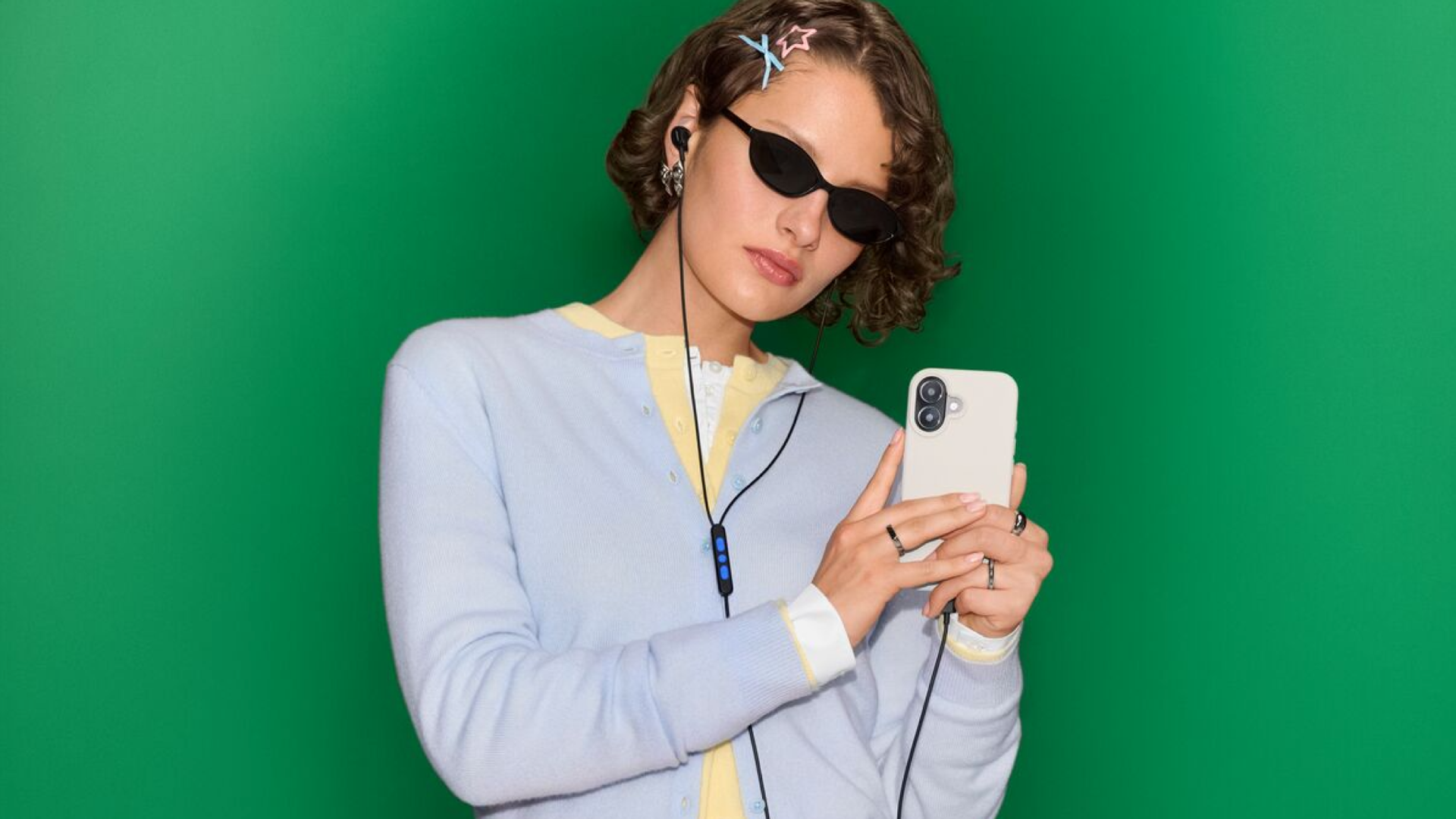
- Bose recently launched $99 / £99 'Noise Cancelling Wired Earbuds'
- Also, Bose is 'happy to take credit for making open-ear mass market'
- Bose's President of Premium Audio spoke to me about both developments
Last month was huge for Bose's earbuds output, thanks to the release of not one but two successors to the excellent Bose Ultra Open, a delightfully emo collab on the company's flagship cans and a set of wired, inexpensive earbuds that boast ANC, controlled by the inline remote.
So hang on, on the one hand we've got an evolution on a groundbreaking, clip-style, wire-free product Bose pioneered just over two years ago, (something President Raza Haider says he's "happy to take credit for — making open-ear mass market"). And on the other hand we have… wired earbuds like it's 2003?
Yes. And Bose President of Premium Audio, Raza Haider, is happy to talk about the nostalgia-driven technology trend many of us are seeing. After all, who could forget the various 'digital detox' resolves at the start of the year, compounded by the advent of the great privacy revolt concerning glasses, TVs and even wireless earbuds that want to know a little too much about us?
I start off asking Haider simply, "Who knew wired earbuds would be so popular in 2026?"
"Right? I know", Haider laughs. "It was a funny story actually. Over the last three, four years, the team's done a really good job of being able to capture insights and turn them into products much faster than we historically were able to.
"So the idea [for the wired earbuds] actually came a year and a half ago, when I was dropping my daughter off at university. We saw them everywhere. And my daughter was like, 'You know, these are the coolest things ever.'
"And she's like, 'A year ago, we would have made fun of kids who had wired products, and now we all wear them.' So we came back and as a group back in the office, we're like, 'You know, we should do something about it.'
"We saw the trend, but we saw that all the products in the market didn't have great quality audio — none of them had noise cancellation. So, typical Bose, we wanted to redesign something that was a big part of our history and DNA, and bring back something a little bit more retro, a little bit more fun.
"It's a little bit of an homage. I don't know if you remember the old Bose [wired earbuds], it had the little block in the middle, so we kept the block, except it's more like retro color blocks versus the large, big thing.
"These launch in Europe on the 15th October, but we launched them for presale in America on Monday. It is now Wednesday, and they're gone. They're sold out."
'Something is definitely happening'
I'm always keen for presidents of audio companies to talk to me about any trends they're seeing. Haider doesn't shy away from telling me how much he thinks this particular trend might stem from buyers avoiding apps that require data collection, as well as trying to bypass the more intrusive aspects AI.
Is that why people are heading back to wires? "There's two dimensions to it. One, there is something larger happening, whether it sticks or doesn't," he said. "You used the term 'digital detox' — now whether it's trust or whatever it is, there's something happening.
Companies, I think, do realize that they need to do a better job of earning consumers' trust, not letting them feel like there's an invasion of privacy
Raza Haider, Bose President of Premium Audio
"Most tech companies will figure out a way around it. There's no way we're going to back away from technology — the technology is here to stay. But companies, I think, do realize that they need to do a better job of earning consumers' trust, not letting them feel like there's an invasion of privacy. So I think one part is definitely that, there's a return to less technologically driven products. That being said, there's a lot of tech in these that makes these great, right?"
He shows me the earbuds and I have to agree, they're pretty cool. But Haider isn't done. "The second part is this: there is a certain convenience and almost comfort in this," he continued, "and I think this is where technology actually should help.
"So, you can leave these in your bag for weeks on end and never lose a charge, never worry about a connection, never have to worry about a sensitive area. You just pull them out and you plug them into your phone physically. There's no app, no settings, and you just go — that's it!
"There's something oddly satisfying about taking this lovely silicone wire, playing around with your hands, hearing the physical click into the interface; you've got actual buttons for volume, and so it's just oddly fun."
'I think the average consumer doesn't know what a Bluetooth codec is, and they couldn't care less'
I ask Haider how much he thinks the knowledge that Bluetooth codecs (however improved) still can't quite compete with wired audio for resolution plays a factor in the wired trend? Or is it simply that physical media is having a moment and if you've got a CD Walkman, you want wired buds?
"It's both", he answers. "I think the average consumer doesn't even know what a Bluetooth codec is, and they couldn't care less. All they know is that when they have a wireless headphone, it sometimes drops out, and this doesn't.
"That goes back to my earlier point; it's reinforcing to technology companies that technology needs to work in a way that's invisible to consumers. The days of people using technology just for technology's sake? We've moved past that for certain categories.
"It also goes back to my point on re-plumbing our company's operating model and product development to be able to move faster to capitalize on trends, because there always will be trends.
"The trend of wired now? There'll be a trend for something else. There are trends for colors too. We've done a great job over the last couple of years of launching I think 60 colors to take advantage of that. Companies have to be a lot more nimbler in listening and adapting to consumer trends."
Let's be completely open
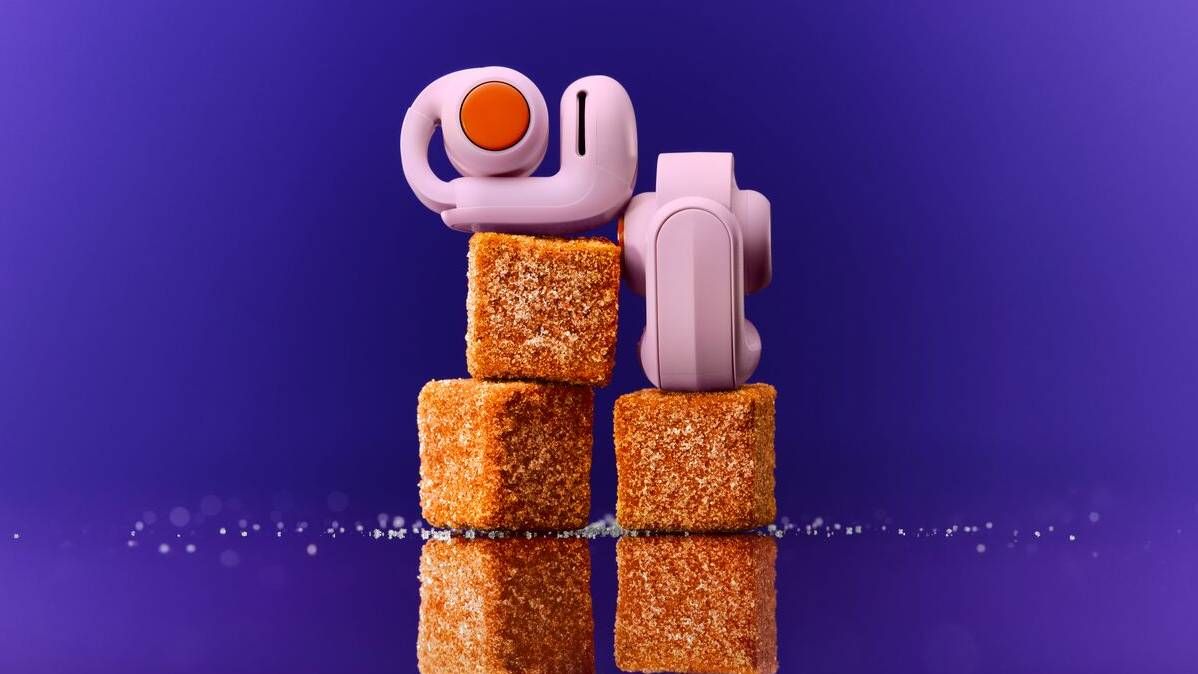
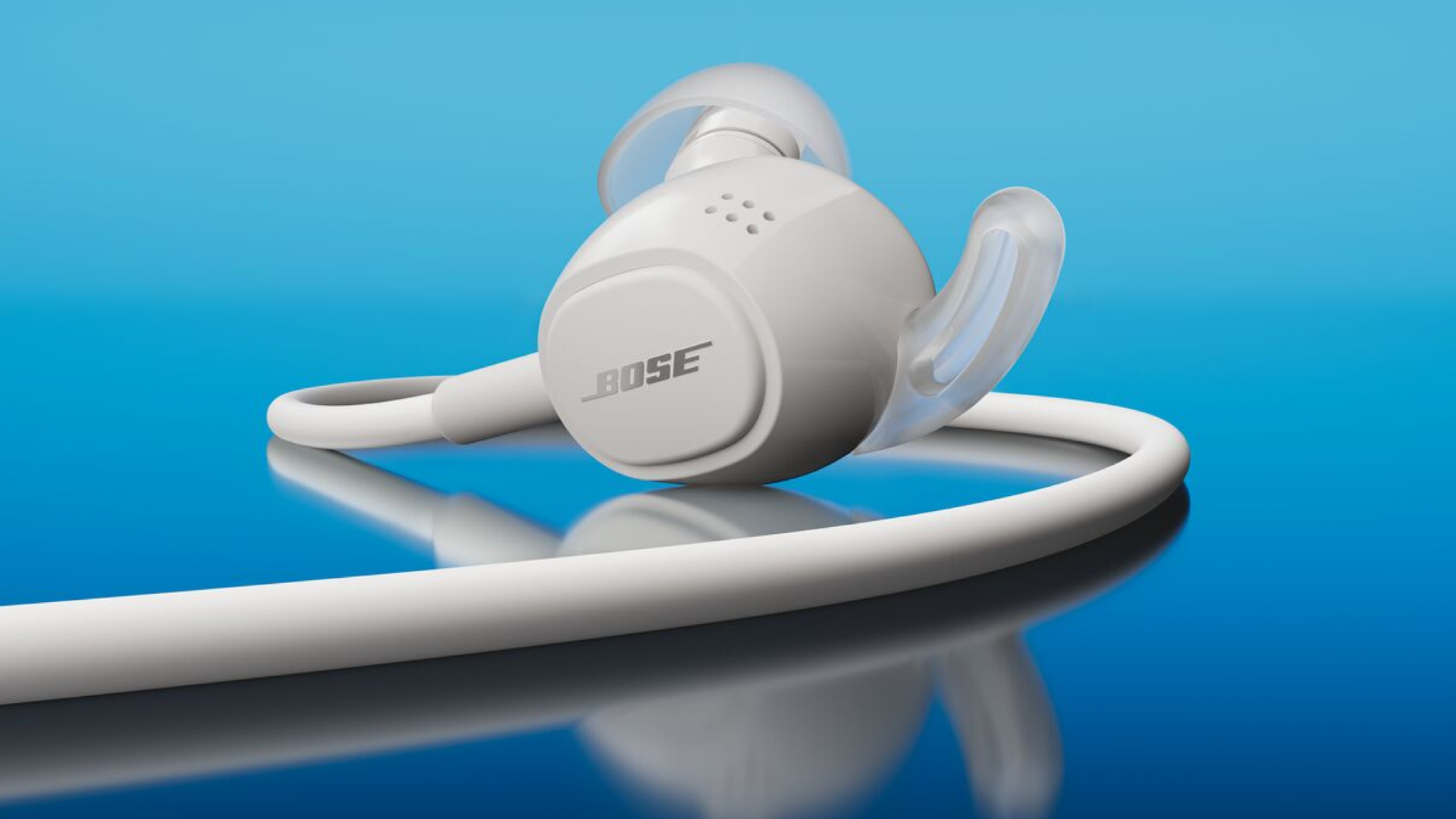
As well as literally writing the book on active noise cancellation, Bose pioneered what I like to call the 'ear cuff style' open earbuds, with the Bose Ultra Open. To be clear, this was in February 2024, a time when nobody else was doing that.
Did Haider anticipate how popular that particular design would become, and why does he think production of such designs has skyrocketed since? "Yeah! I think as a category overall, it's like the fastest growing category in consumer wearables, right?" he said. "We saw there was a huge need for people to have an alternative to in-ear products.
"For many reasons, starting from the obvious simple logic, in-ear products don't fit in everyone's ear. Some people don't like jamming stuff in their ear. Then, there are many instances where you want to actually be more aware of your surroundings, where it's actually safer to be aware of your surroundings. You're walking home late night, you're going for a run, you're out walking the dog, you want to hear the cars, the roads, the fire trucks.
"There are also many places where there's a social cue — where having one earbud in is disrespectful, people don't engage with you, you lose the human connection. But having a cue or clip which looks and feels like jewelry? It feels more inviting, you don't feel disconnected.
"And so as a result of that, we took a bunch of technology we had, and we spent a lot of time actually designing that cuff, much more than the 10 months it took for the wired earbuds.
The best thing that can happen is, everyone copies us. And that's what happened
Raza Haider, Bose President of Premium Audio
"We were very deliberate about form, fit, feel, design, design intent and look. And when we launched it, people actually asked us whether this would take off, whether people would understand what it is, whether it'd be alienating, would men want to wear something that looks like jewelry? Our answer was, 'We don't know. We've heard our consumers, they said they wanted it, we're giving them an option for something new.'
"And the best thing that can happen is, everyone copies us. And that's what happened. In the last two years, this thing has blown up."
La vie en Bose?
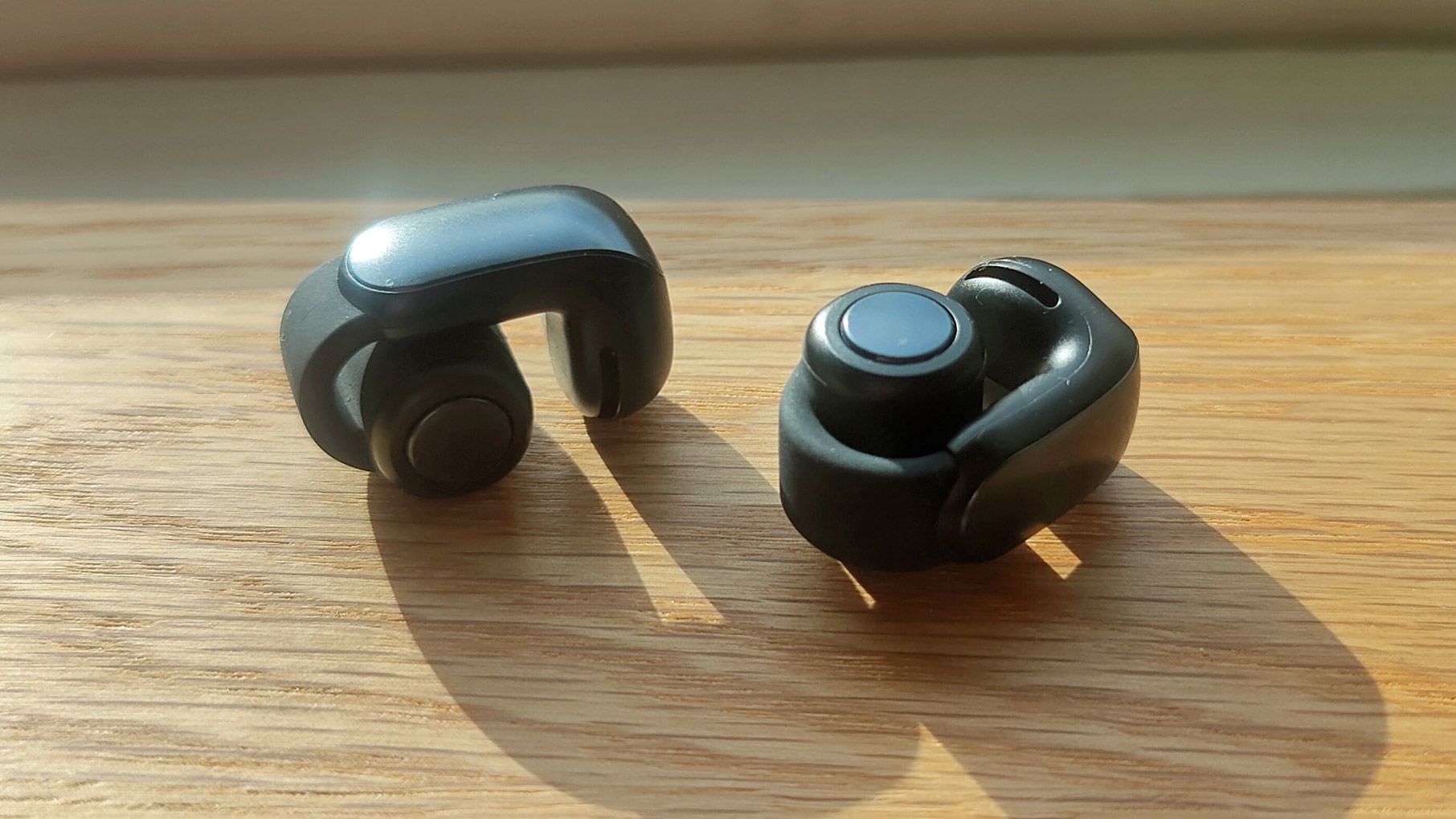
Our time together is coming to an end, but I'm keen to ask where Haider, as head of a market leader and pioneer in the portable audio space, thinks consumer audio will be in 10 years?
"Given how fast things are changing now, it seems almost impossible to make a prediction," he said. "But let me give you a few just general trends, right? There's always a nostalgia-driven customer, and companies have to be positioned to be able to successfully capitalize on trends.
"Companies well-positioned to capitalize on trends will be at an advantage. But from a tech standpoint — especially with what's happening right now with AI and the pace at which things are getting smarter — I think you'll see edge or wearable devices becoming a lot more intelligent and contextually aware of what a user wants to do.
"As a result, I think you're going to see a lot more fragmentation in the combination of things a user puts on their body, to optimize something that they're passionate about.
"People will soon realize that most of us have a passion point around something. For some people it might be music, for some it might be health and fitness, for some might be wellness, some might be an active lifestyle, some might be content creation, some might be creating and producing.
"And for all of those people, there's a different set of both awareness and sensory capture and sensory orchestration, let's say, that will allow you to do what you're passionate about better. And companies that realize that, and deliver something that's more consumer and passion point-centric, win.
"So, what my daughter will want to do with the combination of her earbuds, her phone, and her watch would be very different than what you and I might want to do, which will be different from someone who wants to go on a run, which will be different from someone who might be interviewing someone at a concert."
It's an insightful and hopeful look at a more tailored wearable future. Will we still be embracing wires, or will wireless audio finally be hi-res enough (and carefree enough) to be the better standard? Time will tell. But as a daughter myself, I for one really hope the people in charge will always listen to theirs.