 1 month ago
19
1 month ago
19
One of the hottest debates in the energy industry right now is how much oil is actually coming out of the Persian Gulf, and the answer could determine how long the Iran war lasts.
Iran insists the Strait of Hormuz is closed and that it has control of the narrow waterway, which saw 20 million barrels of oil a day pass through before the U.S. and Israel started the war.
But the Trump administration has pushed back on that narrative. Energy Secretary Chris Wright said the U.S. military helped ship over 15 million barrels of oil and products out of the strait on Tuesday, though the seven-day average is 8 million. When combined with oil exported by pipelines, the total leaving the region is closer to 20 million barrels, he posted on X on Friday.
Meanwhile, U.S. officials told Axios that about 10 million barrels of oil a day are being transported out of the strait through a corridor the U.S. military established that runs along Oman’s coast.
A two-week stretch of U.S. bombing last month degraded Iran’s radar and maritime surveillance systems, the report said, making it easier for tankers to sail through undetected at night with their transponders turned off. This has allowed vessels to make shuttle runs in and out, then unload oil to other tankers that deliver the cargo to customers.
David Wech, chief economist at energy intelligence firm Vortexa, told CNBC on Friday that the average over the last month has been 6 million-7 million barrels a day. But peak volumes over a seven-day moving average are nearly 10 million barrels, with the highest day at 14 million.
Either way, the upshot is that significant levels of oil supply are getting out and that the Strait of Hormuz isn’t really closed off after all.
To be sure, there’s still a supply deficit, forcing consuming countries to keep tapping their reserves, which are reaching critically low levels. And the U.S. naval blockade is preventing Iran from exporting its oil
But the amount leaking out of the Gulf buys more time before global markets go off a cliff—and that could also prolong the war as both sides remain locked in a stalemate.
“Barrels getting through raise the odds of a longer war, possibly deep into 2027: neither side feels urgency if oil does not materially move and Iran still earns enough to sustain the regime,” Dan Alamariu, chief geopolitical strategist at Alpine Macro, wrote in a note last week.
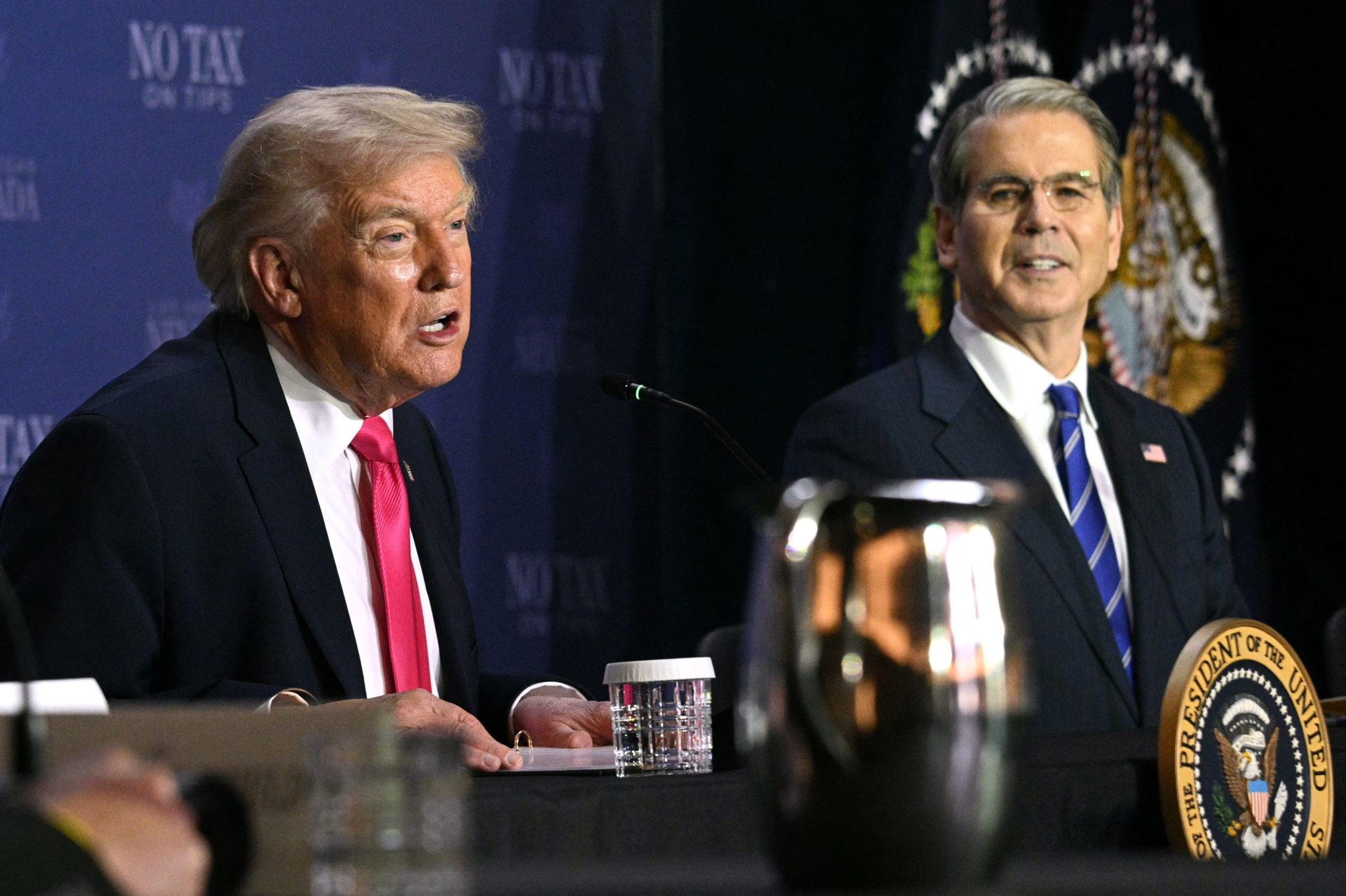
Indeed, there has been no diplomatic progress lately as Iran has made demands unacceptable to the U.S., while Trump wants the regime to relinquish its grip over the strait, its main source of leverage. At the same time, Trump has shied away from resuming all-out war, especially with key munitions supplies low, and instead is relying on economic pressure.
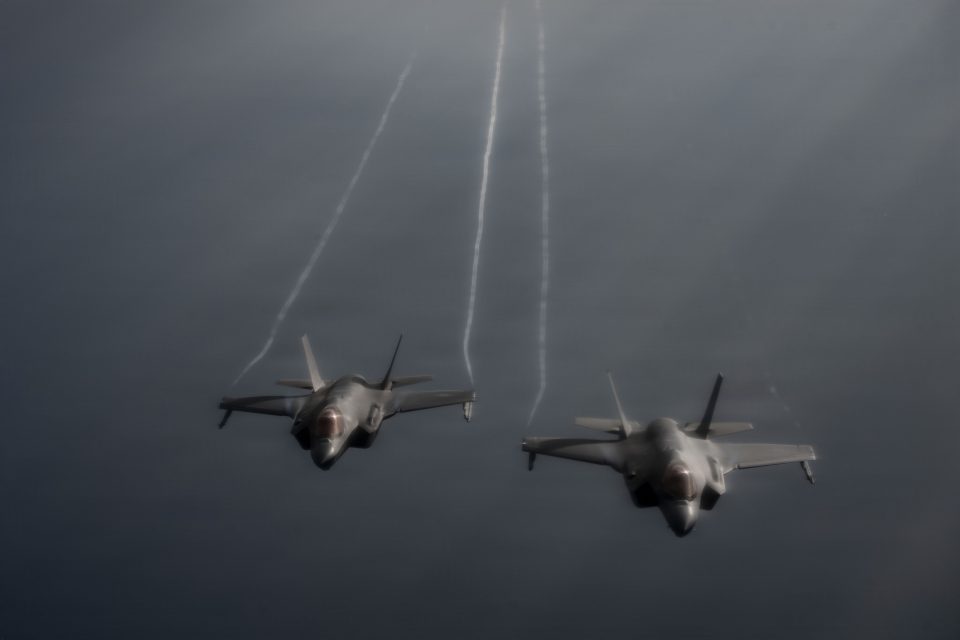 U.S. Air Force F-35A Lightning II aircraft fly in the U.S. Central Command area of responsibility Aug. 7, 2026.
Alamariu described the current equilibrium as a state of “managed disruption” marked by a permeable Hormuz blockage, occasional military flare-ups, and escalatory threats. But there’s potential for periods of sharp crisis as Iran’s economy continues to suffer and puts the regime at risk, he added.
“And if the Strait is not fully closed, Iran’s leverage is weak,” Alamariu pointed out. “Thus, Iran has reasons to escalate.”
U.S. midterm elections represent an opportunity for the Islamic Republic to hurt Trump by causing oil prices to spike and stirring more voter discontent against Republicans in Congress, he warned. That risks U.S. retaliation and even more escalation.
Until the election, Trump could maintain the blockade and hope for the best as long as Brent crude stays below $90-$100 per barrel, Alamariu wrote. But if oil tops $105-$110, then high gas prices and inflation could push the U.S. to try to reopen the strait by force or destroy more Iranian offensive capacity.
“These are not mechanical triggers, but they can make oil self-correct through violence,” he added.
Esfandyar Batmanghelidj, founder and CEO of the Bourse & Bazaar Foundation think tank, said Trump has erased the distinction between economic warfare and military conflict in the eyes of Iran’s leadership.
Tehran also interprets Trump’s reliance on economic pressure as a strong signal that he doesn’t have the stomach for renewed fighting, he said in a post on X.
“Iran’s leaders are confident they can go on the offensive because they are interpreting the shift to economic pressure as a sign of weakness. They believe that if they can land a few more punches, Trump will end up down for the count and have to return to the promises made in the MOU,” Batmanghelidj wrote.
This story was originally featured on Fortune.com