
 1 hour ago
4
- The UK is the latest country to consider restricting the use and sale of smart glasses
- Safeguarding minister Satvir Kaur said "the government is looking into options to restrict smart glasses in certain settings and restricting the sale to certain users"
- During a debate around the technology, concerns were raised around the discreet filming of women and girls
As the adoption of smart glasses increases across the world, so too have restrictions and bans on the technology from businesses and governments alike. Australia has banned the tech in public spaces such as pools, gyms and government buildings, and now the UK government is also considering implementing restrictions.
The devices have become unpopular in many circles, even earning the nickname 'pervert glasses' after some men began using them to secretly film women and girls, then posting the captured videos online. Some private businesses, such as the Wetherspoons British bar chain, have also banned the use of the devices.
In a debate at Westminster Hall titled 'Smart glasses and violence against women and girls', UK safeguarding minister Satvir Kaur said (as reported by The Guardian): “the benefits of smart glasses must be weighed against the harms they can cause. The government is already looking into options to restrict smart glasses in certain settings and restricting the sale to certain users.”
This might be similar to Australia's ban on the technology being used in public spaces. Kaur also highlighted that “other settings, such as healthcare and education, have existing safeguarding or professional policies that are relevant to smart glasses and any kind of digital recording." Kaur seemed to be hinting that where limitations on recording on smartphones already exist, this would extend to smart glasses and similar tech, but we could also see wider smart glasses-specific rules in future.
Anna Sabine, the Liberal Democrat MP who opened the debate, reportedly said: “Women are reporting waking up after nights out to find videos of themselves have gone viral online, filmed without their knowledge or consent by men wearing smart glasses... these devices not only have the potential to erode safety and privacy in public spaces, but raise really important questions about consent.”
Analysis: More restrictions will surely follow
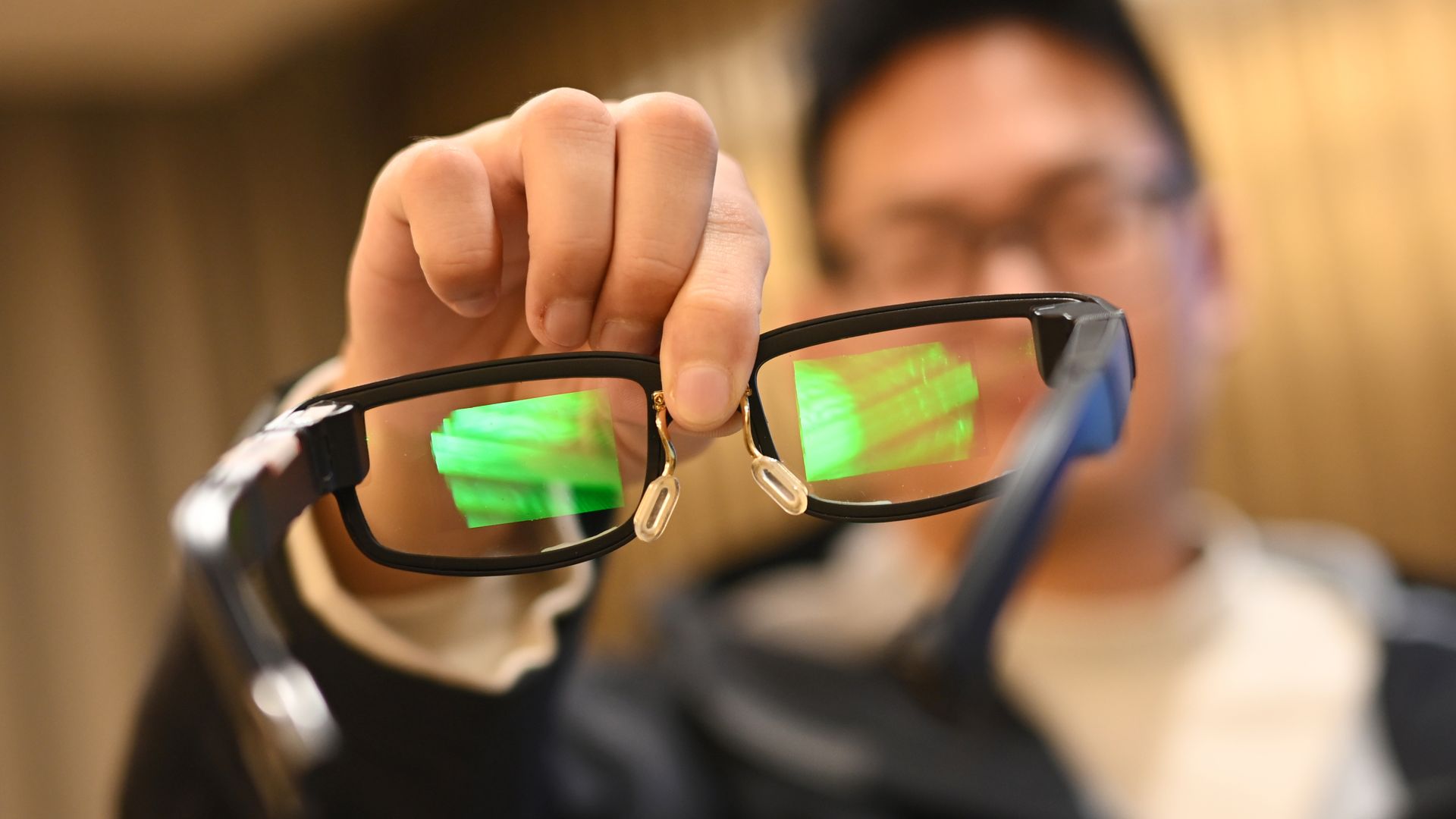
Kaur did also highlight the useful aspect of smart glasses, such as helping visually or hearing-impaired people understand their surroundings. For those people, she said "smart glasses have been a game-changer, helping them navigate the world around them.”
Our writer Kevin Lynch, who has a hearing impairment, reviewed the Nuance Audio smart specs equipped with directional microphones, which he said were 'genuinely impactful'. It's likely any incoming legislation would allow for this usage.
However, there's no getting around the harmful uses of smart glasses too. A secondary cottage industry of Amazon sellers hocking black stickers, sized to cover the LED recording light, or offering to drill it out entirely, has sprung up online. This is all to enable people to record footage without letting others know they're doing so.
With the invasive potential of smart glasses to target women and post the footage online, companies like Meta are left with a clear stigma they'll have to shake before smart glasses can be seen as cool.
Prosecutors in Paris have also opened probes into smart glasses-related sexual harassment offenses, according to the French national newspaper Le Monde. I predict Australia won't be the only country to adopt legislation that restricts the sale or usage of smart glasses in 2027.
Do you think smart glasses should be banned, or should we be free to record wherever we like? Have your say in our poll below.