
 22 minutes ago
2
CUBOT KingKong Dura: 30-second review
Most rugged phones chase bigger and bigger batteries, often to the point where they become a viable replacement for a sea anchor.
The oddly named KingKong Dura takes a different route: it comes with a modest 5000mAh battery you can remove, and CUBOT includes a second one in the box.
That is a rare feature in rugged phones, and a useful one. Run one battery flat, swap in the other, and carry on. No power bank is needed, and in this context charging the battery doesn’t involve putting it in the phone.
The replaceable battery enables a design slimmer than the usual rugged brick. It measures 13mm thick and weighs 299.5g. The screen is 6.88 inches, with a 120Hz refresh rate. The phone carries IP68, IP69K and MIL STD 810H protection.
Phones that have replaceable batteries are often expensive, and this one isn’t, so how does that work?
In short, CUBOT pared the specs down to the bare minimum to run Android 16. The Unisoc T620 is an old 12nm chip, with a screen resolution of only 720 x 1640. There is no 5G, and WiFi is only WiFi 5, to mention just a couple of shortcomings.
You get what you pay for, but thankfully you don't pay much.
So this is a working phone for people who need power on tap, or only occasionally need a rugged phone. It isn't for people who want speed, and it isn’t the best rugged phone I’ve seen. This pitch by CUBOT is decidedly niche.
However, it’s easy to be snobbish about the lack of performance in devices like this, and CUBOT clearly see a market for these devices, and a customer who won’t be phased by its lack of grunt.
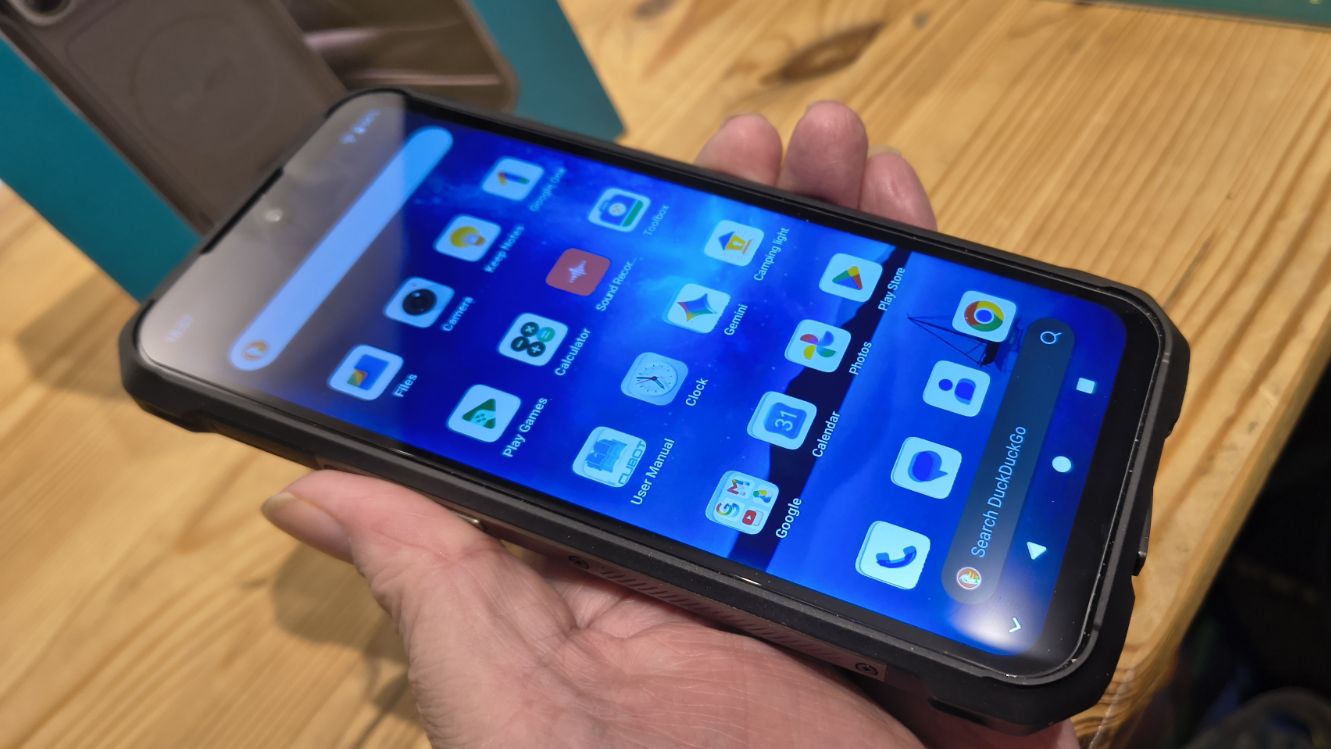
CUBOT KingKong Dura: price and availability
- How much does it cost? From $190/€210/£143
- When is it out? Available now
- Where can you get it? CUBOT's European store and online retailers
Direct from CUBOT, two SKUs of the KingKong Dura are available. One has 8GB of RAM and 128GB of storage, and another, my review hardware, has 12GB of RAM and 256GB of storage. Both options are available in black or green.
For EU customers, the lower-spec model is €209.99, and the higher one is €259.99, making 50% more RAM and 100% more storage only a 50 Euro bump.
For whatever reason, I couldn’t get the CUBOT website to map these prices into US Dollars or UK Pounds, but American customers might want to consider buying it via an online retailer like Amazon.com. In the USA via Amazon, I found only $189.99 for the 8GB+128GB model.
It’s not available on Amazon UK yet, so you can buy it directly from CUBOT or use AliExpress. On that site, I found it for £142.01 and £206.15 with free shipping to the UK, but delivery from China was about 10 days.
That is a low price for a rugged phone running Android 16, and it undercuts every replaceable-battery design I’ve seen by some margin.
With both batteries included, the Dura is a bargain for its niche.
- Value score: 4/5
CUBOT KingKong Dura: Specs
Item |
Spec |
CPU |
Unisoc T620 (2x Cortex A75 up to 2.2GHz, 6x Cortex A55 up to 1.8GHz, 12nm) |
RAM |
8GB (plus 12GB virtual) or 12GB (plus 20GB virtual) |
Storage |
128GB or 256GB, TF card supported |
Screen |
6.88 inch IPS, 720 x 1640, 120Hz |
SIM |
Dual nano SIM, or 1x nano SIM plus TF card |
Weight |
299.5g |
Dimensions |
180.1 x 85 x 13mm |
Rugged spec |
IP68, IP69K, MIL STD 810H |
Rear cameras |
64.2MP main (OV64B40 or S5KGW1SP03, f/1.8, PDAF), 2MP macro |
Front camera |
16MP |
Networking |
4G, WiFi 5, Bluetooth 5.0, NFC, GPS |
OS |
Android 16 |
Battery |
5000mAh, removable, 33W charging, USB C port on each battery |
Extras |
Camping light, side mounted fingerprint scanner |
Colours |
Black, Green |
CUBOT KingKong Dura: Design
- Slim by rugged standards
- Removable battery
- By-the-numbers layout
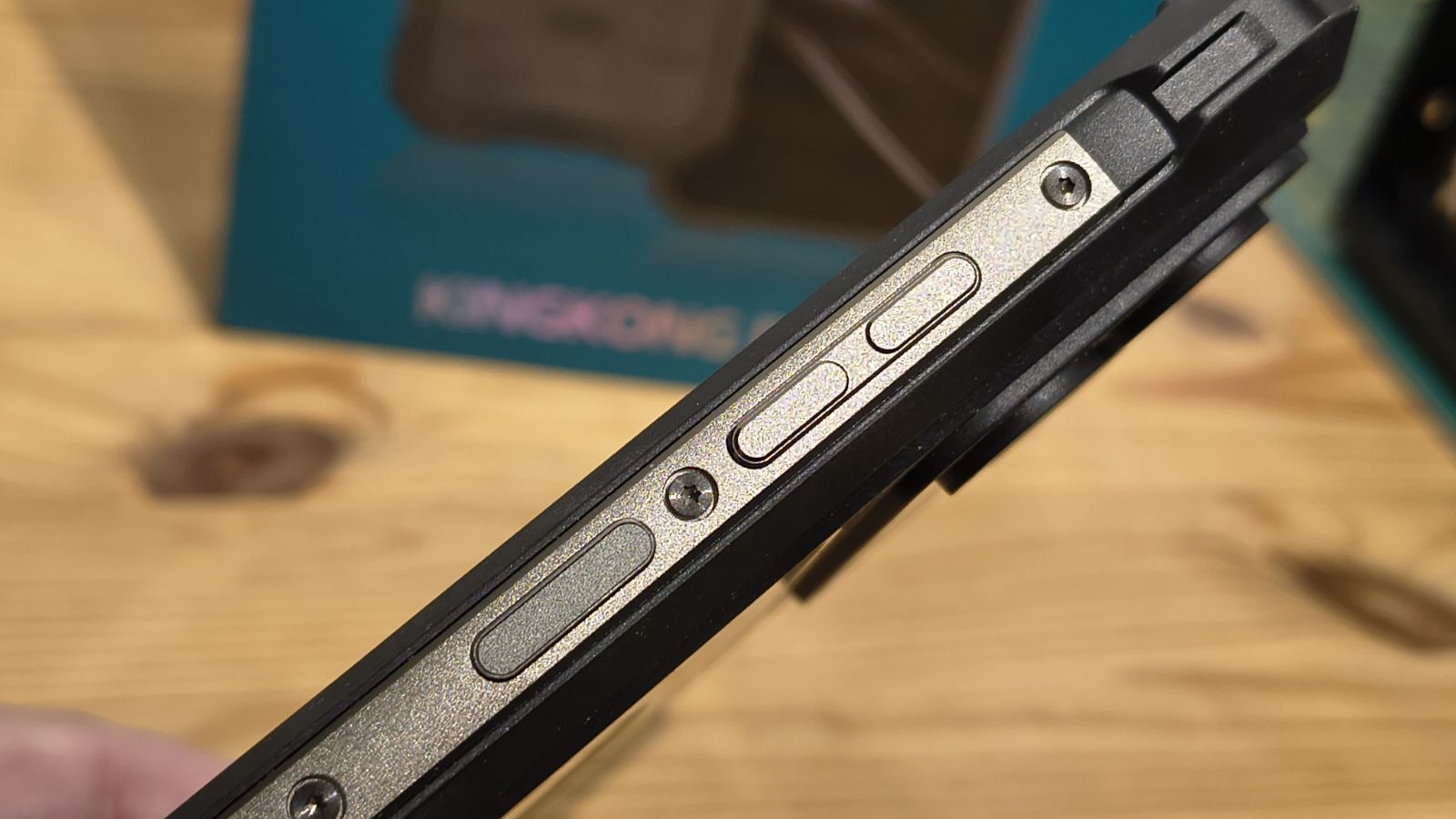
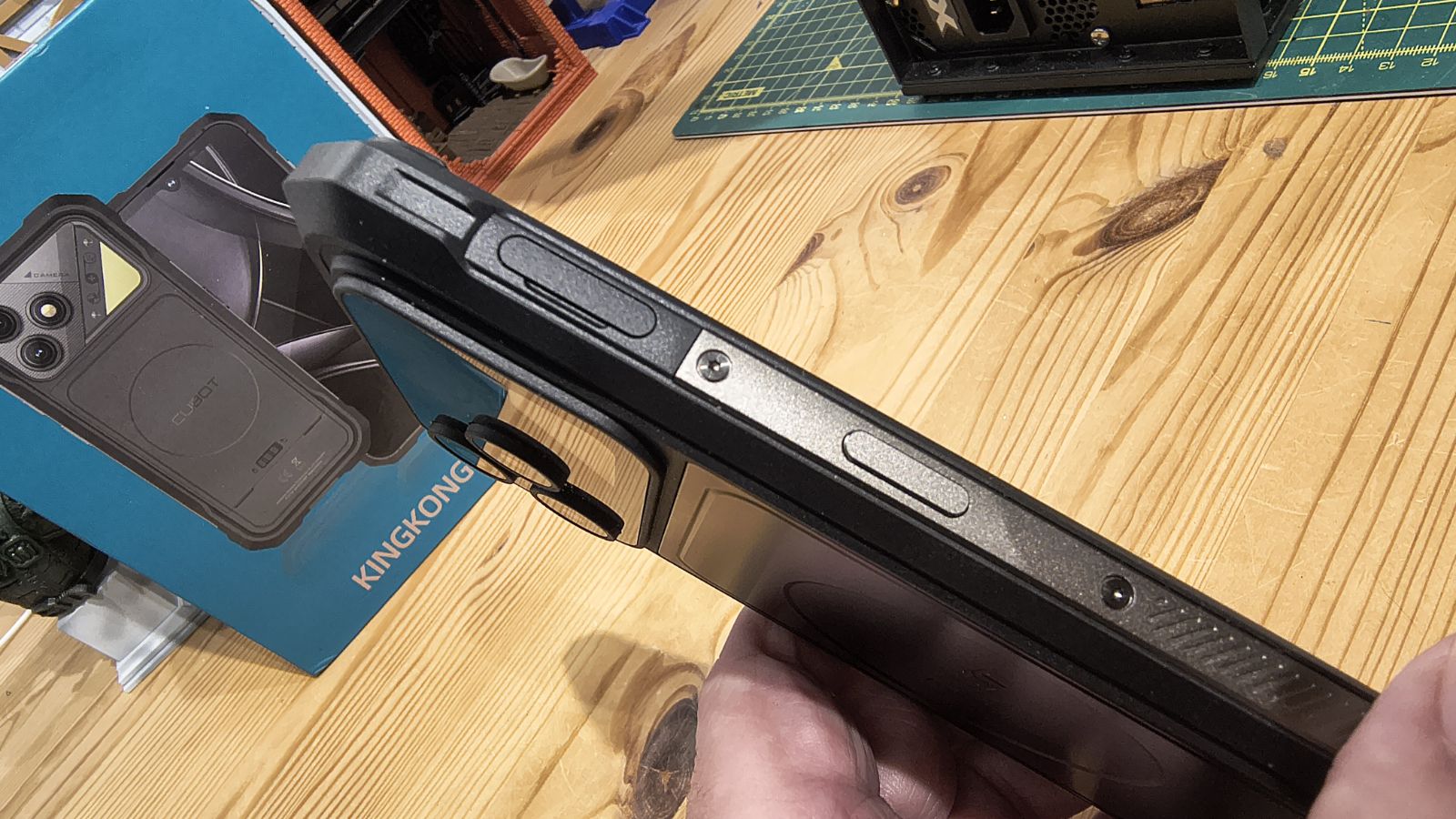
The Dura looks like a rugged phone that has been given slimming injections. It is plainer than most. There are no excessive sci-fi flourishes, and the lines are utilitarian.
At 13mm and 299.5g, it is slimmer and lighter than most rivals. It is thicker than the 11.9mm WP68 Air, but only just. It should sit in an average pocket without an issue.
The removable battery is the feature that shapes everything. Rugged phones with swappable batteries were common years ago, and they have mostly vanished.
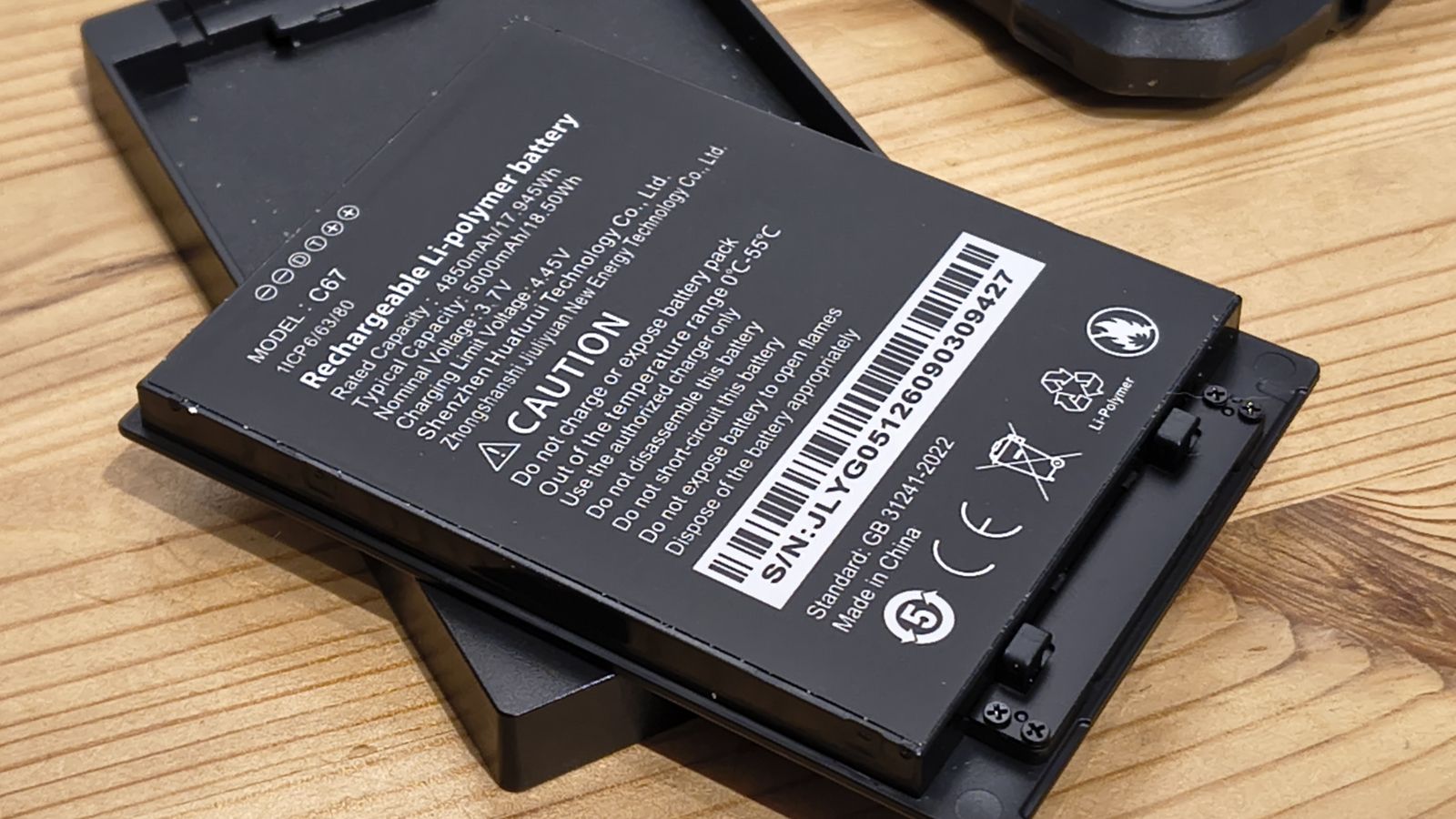
The battery uses a simple Lock/Unlock slider on the rear of the phone, though it's worth noting that there is no capacitor in this phone, so before the battery is swapped, you need to shut down the Dura.
Somewhat confusingly, the battery has a circular depression and the CUBOT logo, which looks like it hints at wireless charging. But it turns out this is misplaced styling, and neither the battery nor the phone has this feature.
As I’ve already mentioned, you get a second battery, and it comes with a holder that has a USB-C port, so you can charge it without the phone. I don’t think it charges as quickly as in the phone, but that’s an incredibly useful feature that doesn’t cost extra.
The only downside to that charging shoe is that, other than a red power light, there is no feedback on the battery's charging status. Even four LEDs showing the state of charge would have been fine.
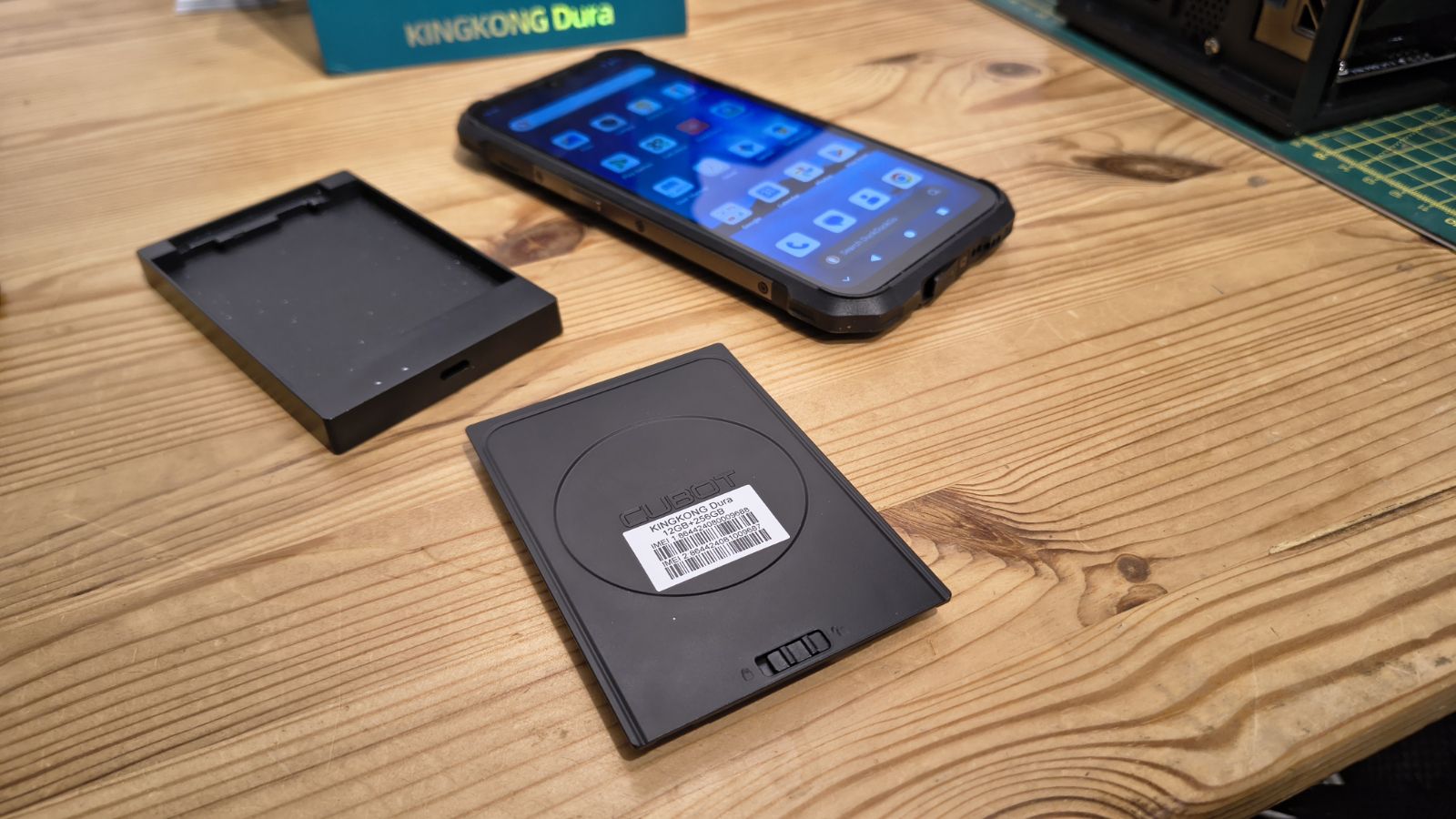
What’s clever about the battery design is that it has an integrated seal to keep out water and dust. That’s been achieved without making the battery difficult to remove. Once unlocked, two slots at the bottom let you hook a fingernail and pop it out.
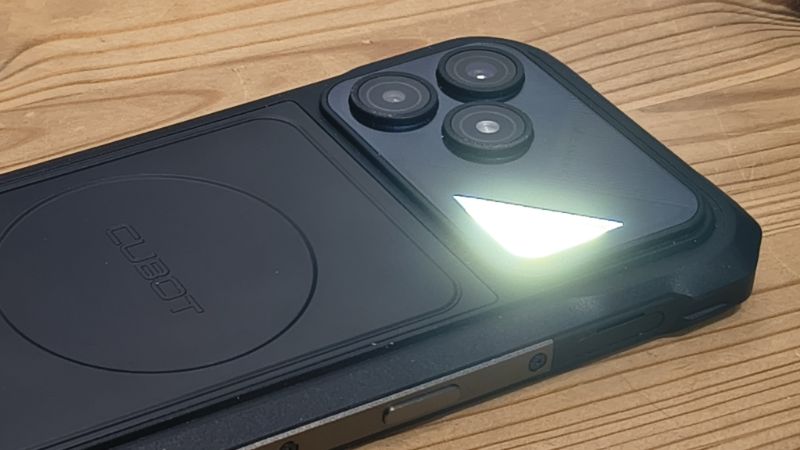
Above the battery area is the camera cluster with the sensors on the left and a small-ish camping light on the right. What’s mildly confusing is that this area is the highest point on the back, but CUBOT chose glass as the surface, which seems like a poor choice.
The rest of this phone is rather boring, as it goes with the predictable side-mounted fingerprint scanner/power button and volume rocker on the right, and PTT button and SIM tray on the left.
The only other external feature of note is that there is a hole on the bottom right for a lanyard/strap, but one isn’t included.
Overall, there is little here to get excited about, but also not much to dislike either.
Design score: 3.5/5
CUBOT KingKong Dura: Hardware
- Unisoc T620
- 720 x 1640 display
- 2x 5000mAh battery
The Unisoc T620 is an entry-level chip that was first released in mid 2024. It uses an older 12nm process, not one of the newer 6nm, 4nm, or even 2nm processes flagship SoCs use today. It pairs two Cortex-A75 cores with six A55 cores, which has been a popular configuration for Octo-core SoCs since it first appeared with the MediaTek Helio P65 back in 2019.
To put that in perspective, this is older technology than the Dimensity 7025 in the Oukitel WP68 Air, which is itself a 6nm design from 2022. The Dura is a step behind that in the chronology of its technology. Even if it looks only2.5 years old to the casual observer.
The RAM is 8GB or 12GB, depending on the model. CUBOT adds virtual memory on top, quoting totals of 20GB and 32GB. As ever, that is storage borrowing the name of memory. Ignore it, since most people will run fine without the need to activate that feature.
Storage is 128GB or 256GB. A TF card slot is available, but it shares space with the second SIM. You can have dual SIMs or a card, not both, and there is no eSIM to fix that limitation.
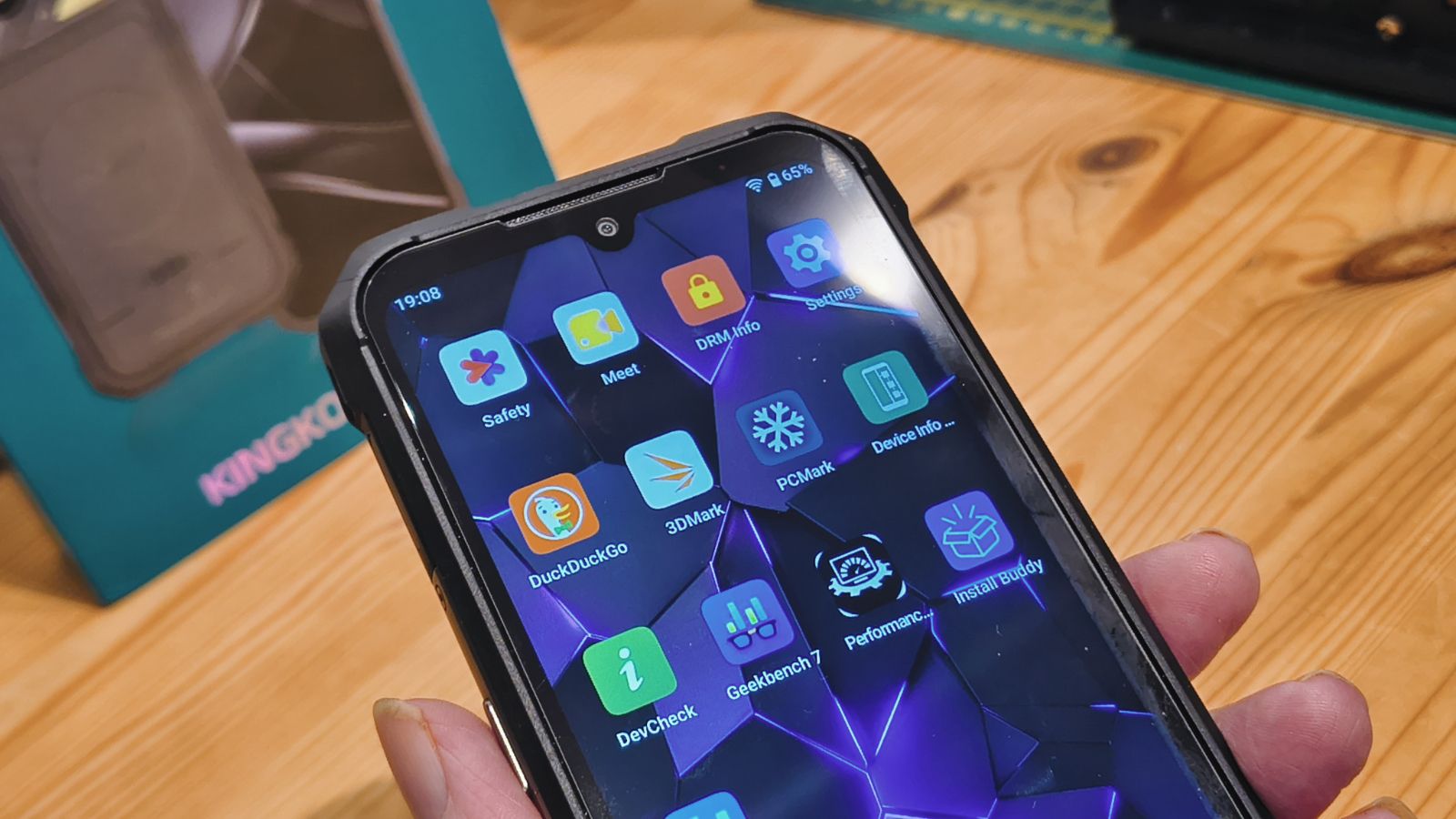
The screen is the same 6.88-inch, 720 x 1640 panel as the WP68 Air. It runs at 120Hz. At this resolution, text looks soft in some situations, and it's difficult to read a document without zooming in. It’s reasonably bright, but the glossy coating makes outdoor viewing a challenge.
What makes this design interesting is the two batteries, each rated at 5000mAh, giving a total potential battery of 10000mAh. To be totally accurate, the rated capacity is 4850mAh or 17.945Wh, but the typical capacity is 50000mAh and 18.50Wh for each.
With 33W charging, these can be brought back to full capacity quickly, and both can be recharged at the same time. The only caveat is that the phone only comes with a single 18W charger, but I think this was a mistake at the factory. Why? Because it also came with an old-style MicroUSB cable, which would destroy the USB-C port if you forced it in there.
Therefore, if you buy this phone, I’d check that you have the right power supply and cable before hooking things up.
From a hardware perspective, you should also know there is no 5G comms available. For a phone aimed at workers and outdoor use, 4G is usually enough. But it limits future value.
- Hardware score: 3/5
CUBOT KingKong Dura: Cameras
- 64MP and 2MP on the rear
- 16MP on the front
- Three cameras in total
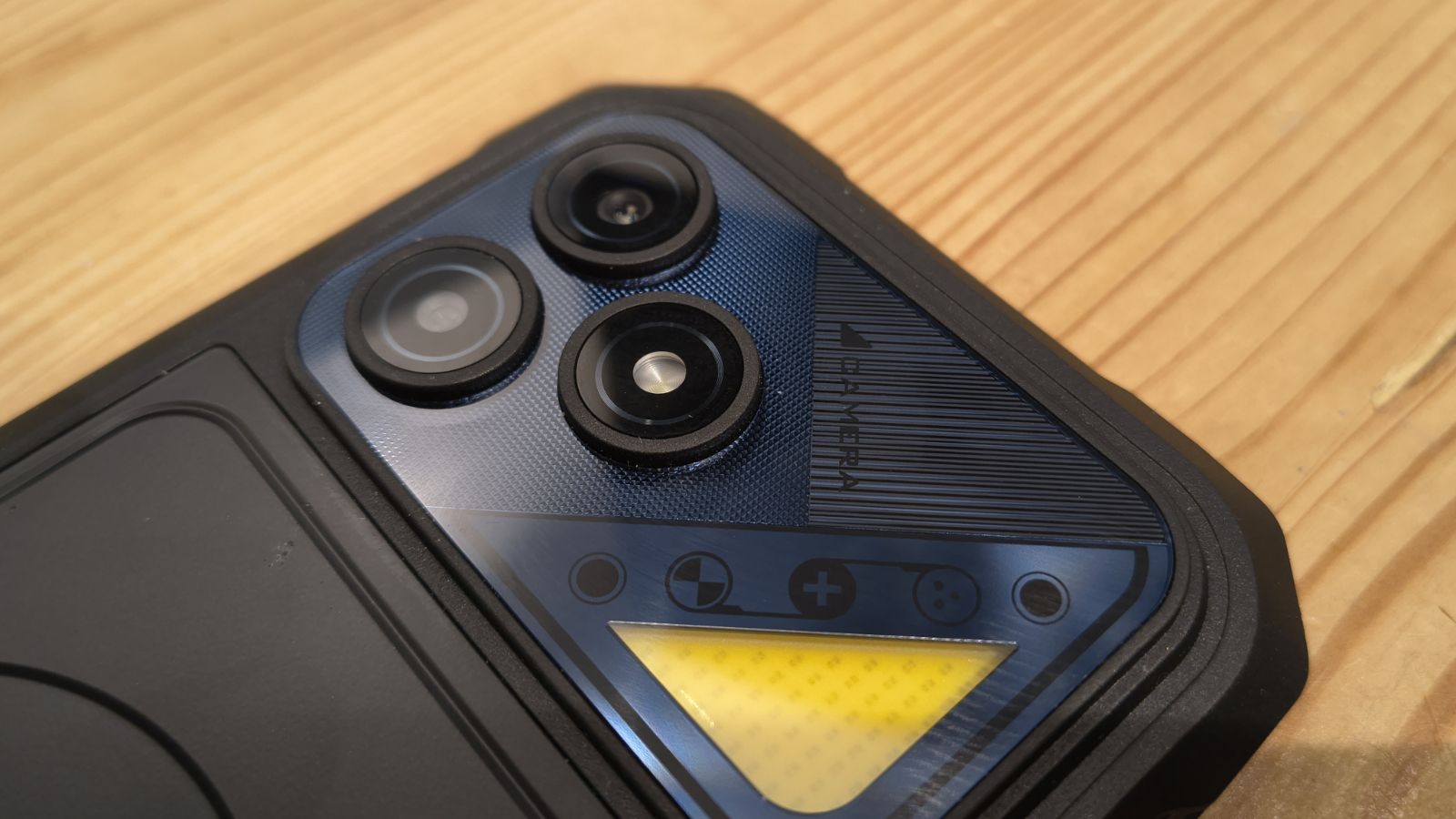
CUBOT KingKong Dura has three cameras:
Rear cameras: 64.2MP main camera (OmniVision OV64B40 or Samsung S5KGW1SP03), f/1.8, with phase-detection autofocus +2MP macro camera.
Front cameras: 16MP.
This is a basic arrangement that matches the price. The 64.2MP sensor is either an OmniVision OV64B40 or a Samsung S5KGW1SP03, but CUBOT doesn’t say which it is.
Based on the slightly flattened colour profile, I'd bet on the OV64B40, but I could be wrong.
Either captures decent daylight pictures, but isn’t especially remarkable when the light level drops.
The 2MP macro is, once again, the weakest link. Fixed-focus lenses of this type rarely deliver. Cropping the main camera works better, making the 2MP sensor, probably by GalaxyCore, superfluous.
The 16MP selfie camera is a fixed-focus unit and should be adequate for video calls, but again the actual sensor isn’t declared. It might be Samsung, Sony or OmniVision, since these all make 16MP sensors for phones.
The primary camera becomes exceptionally disappointing in video mode, since a 64MP sensor still only offers 1080p. What is completely inexplicable about this is that there are only three resolutions available in the camera app: 1080p, 720p and 480p, but when you choose the FPS, there is only 30fps available. I assumed that as the resolution lowered, I’d get 60fps, and maybe 90 and 120fps. So having an FPS selection feature where the only option is 30fps seems incredibly dumb.
Interestingly, the forward-facing sensor has the same resolution and FPS limitations, showing how underutilised the rear sensor is for video. The only thing that the rear sensor has that’s better is stabilisation.
As with all phones, I tested what video encryption it supports, specifically Widevine, and was surprised to find that this phone supports Widevine L1. With the limited resolution of the screen, that only bumps streamed video capability up from 480p to 720p, but it's better than L3.
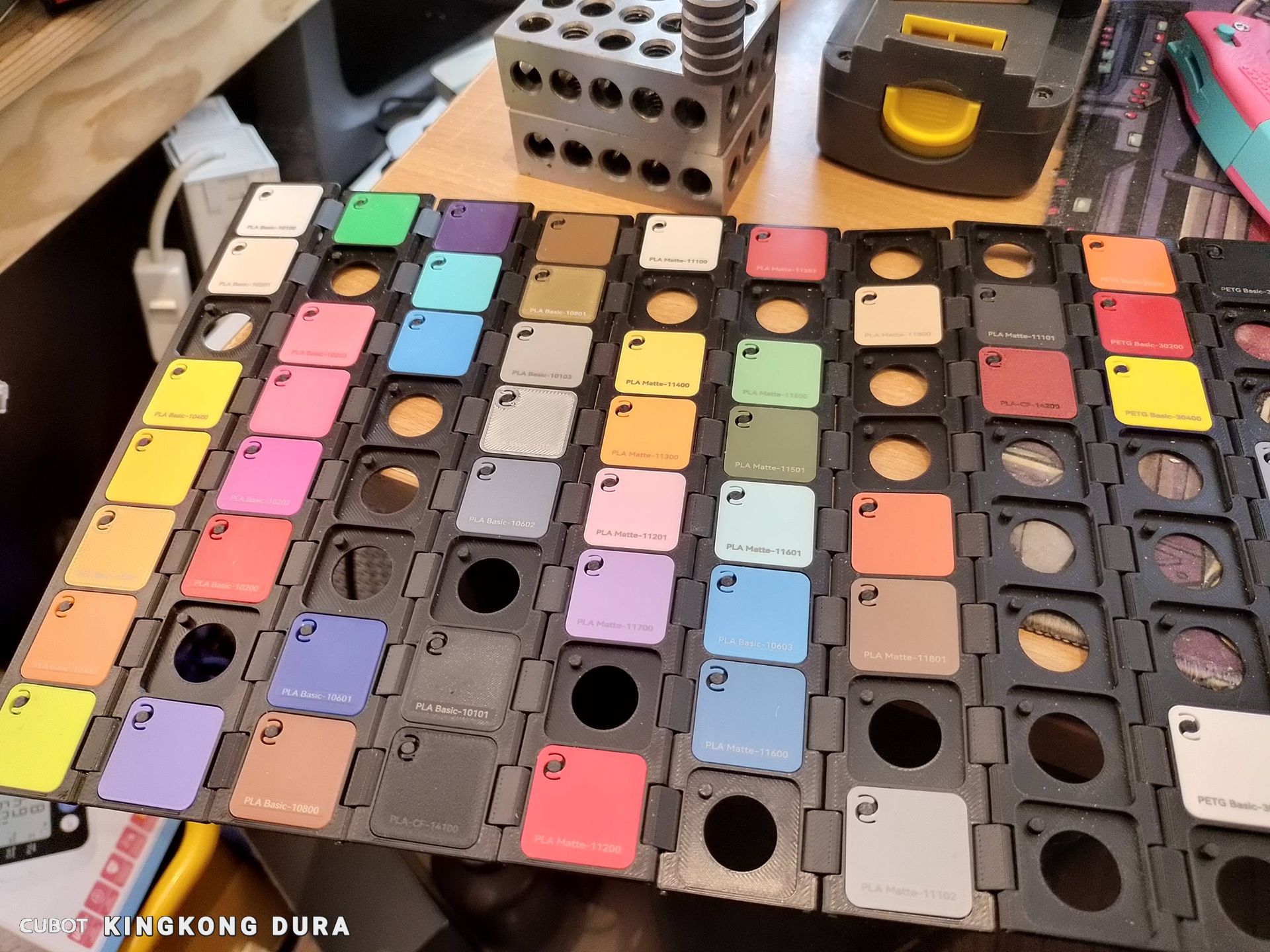 Mark Pickavance
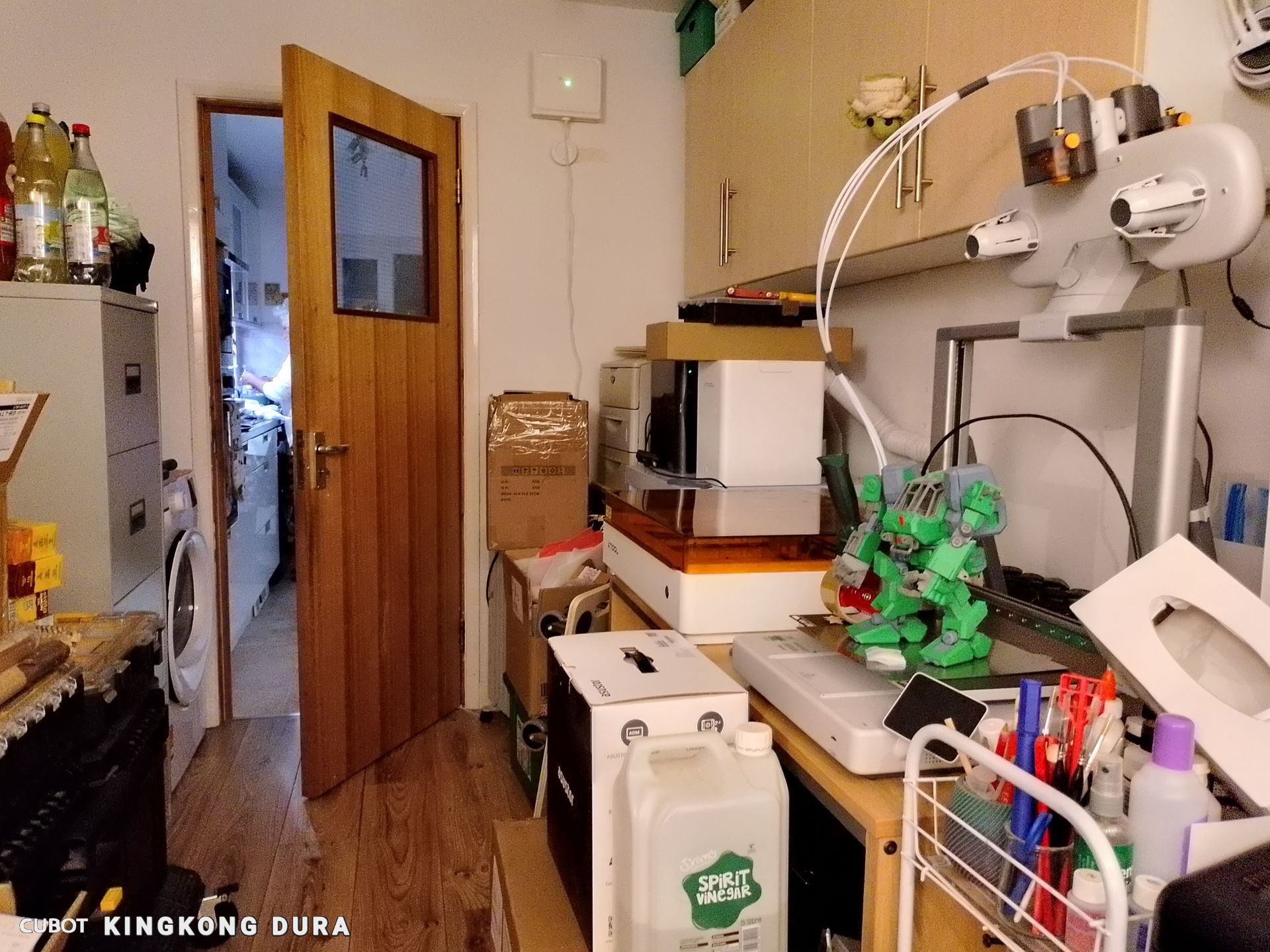 Mark Pickavance
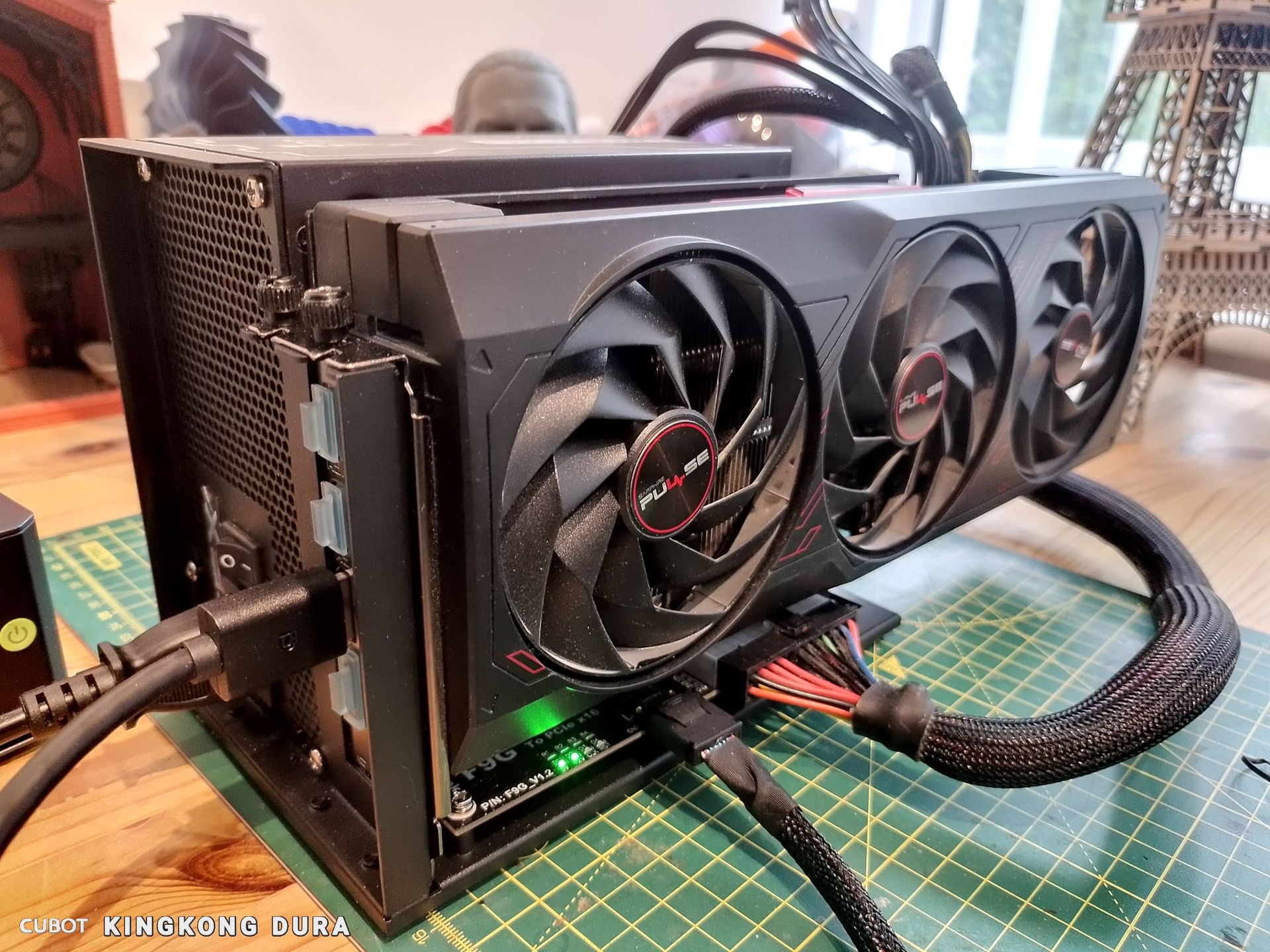 Mark Pickavance
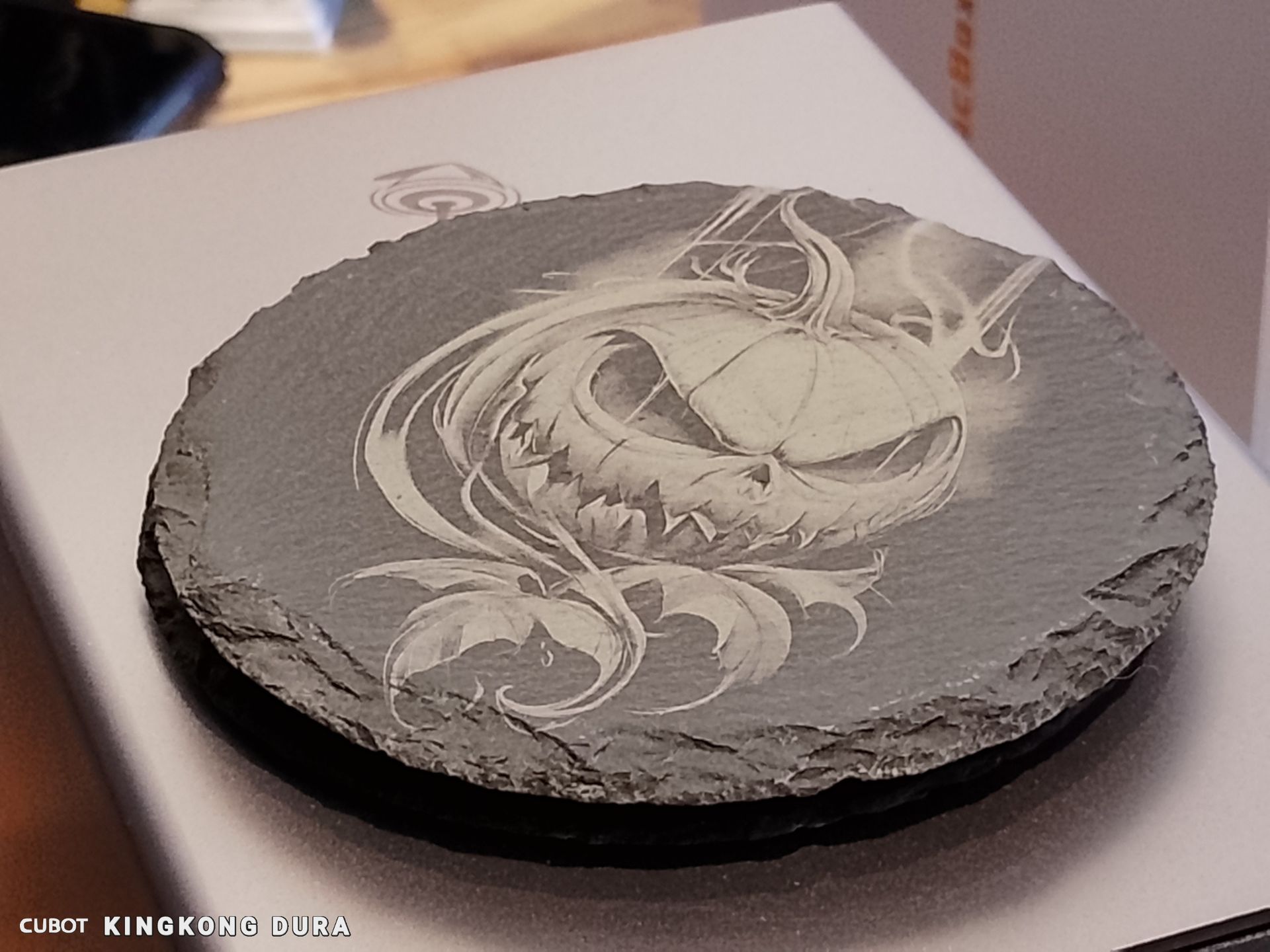 Mark Pickavance
 Mark Pickavance
 Mark Pickavance
 Mark Pickavance
 Mark Pickavance
 Mark Pickavance
 Mark Pickavance
- Camera score: 3/5
CUBOT KingKong Dura: Performance
Phone |
|
CUBOT KingKong Dura |
Oukitel WP68 Air |
SoC |
|
Unisoc T620 |
MediaTek Dimensity 7025 |
GPU |
|
ARM Mali-G57 MP1 |
IMG BXM-8-256 |
NPU |
|
N/A |
N/A |
Memory |
|
12GB/256GB |
12GB/512GB |
Weight |
|
299.5g |
314g |
Battery |
|
5000 |
8000 |
Geekbench |
Single |
459 |
915 |
|
Multi |
1445 |
2173 |
|
OpenCL |
520 |
156 |
|
Vulkan |
531 |
137 |
PCMark |
3.0 Score |
9836 |
12111 |
|
Battery |
10h 33m (12%) |
19h 58m (19%) |
Charge 30 |
% |
34 |
33 |
Passmark |
Score |
5609 |
5200 |
|
CPU |
2591 |
4241 |
3DMark |
Slingshot OGL |
1430 |
3663 |
|
Slingshot Ex. OGL |
948 |
2582 |
|
Slingshot Ex. Vulkan |
949 |
2368 |
|
Wildlife |
421 |
1373 |
Nomad Lite |
N/A |
125 |
The table compares the Dura with the WP68 Air, which I tested in an earlier review. It is only 14.5g heavier, but it has enough internal space for an 8000 mAh battery instead of the Dura's 5000 mAh battery.
And that should be the focus of this section, because the performance of both SoCs is dire compared with more modern designs, and the one in the Dura is especially lacklustre.
If you combine the two 5000 mAh batteries on the Dura, you would get over 21 hours of operation, an hour more than the WP68 Air. However, the WP68 had more unused capacity at the end of the test, and that phone had only 80% of the combined Dura battery.
This all comes down to power efficiency, and the MediaTek Dimensity 7025 appears to use its power much more effectively than the Unisoc T620.
Given that the Unisoc T620 is 12nm, and the MediaTek Dimensity 7025 is 6nm, this shouldn’t be shocking. And the GPU on the T620 has 32 shaders, a quarter of that in the IMG BXM-8-256.
Neither is a performance platform, but the Dura has one advantage: you could carry more than two batteries if CUBOT starts selling them separately.
But even with three or four batteries, there are rugged designs out there that could run for longer with their internal capacities.
- Performance score: 2.5/5
CUBOT KingKong Dura: Final verdict
The KingKong Dura has a self-evident personality. It is a cheap, tough phone with a battery you can swap, and its pitch is not any more complicated than that.
That could be a real advantage on a long job, a camping trip or a remote site, if you bring the extra battery along and you’ve remembered to charge it.
Its weaknesses are equally clear. The chip is slow, the screen is soft, and there is no 5G comms. These are budget compromises, and they are honest ones at this price, if you can accept them.
If you only need a phone that lasts, and you don't want to carry a power bank, it makes some sense. However, if you want a fast daily driver, the WP68 Air or something newer is a better bet. As the power equation is tied to efficiency and performance, not having either of these things can only save you so much battery capacity.
Should I buy a CUBOT KingKong Dura?
Value |
Low price and a second battery |
4/5 |
Design |
Slim, lightweight and certainly practical |
3.5/5 |
Hardware |
Removable battery, but modest in other respects |
3/5 |
Cameras |
Basic and unremarkable, but only 1080p video |
3/5 |
Performance |
Entry-level chip that's adequate for basics |
2.5/5 |
Overall |
A niche phone with a useful trick |
3/5 |
Buy it if...
You need power away from a charger
Two swappable batteries mean you can work for days without a socket, and each battery has a USB C port, so one can charge while the other is in use. That's Dura's best trick.
You want a rugged phone on a budget?
From about $190, it costs a fraction of most flagship rugged models, and it's usable.
Don't buy it if...
You want speed
The Unisoc T620 is slow by current standards. Gaming and heavy apps will struggle. It does have enough memory for the interface to be reasonably smooth, but don't expect miracles.
You want a future-proof phone
There is no 5G, and WiFi is limited to WiFi 5. But the biggest issues with this phone are the low level of performance and the lack of any commitment to updates.
For more ruggedized devices, we've reviewed the best rugged tablets, the best rugged laptops, and the best rugged hard drives